
Updated October 2026
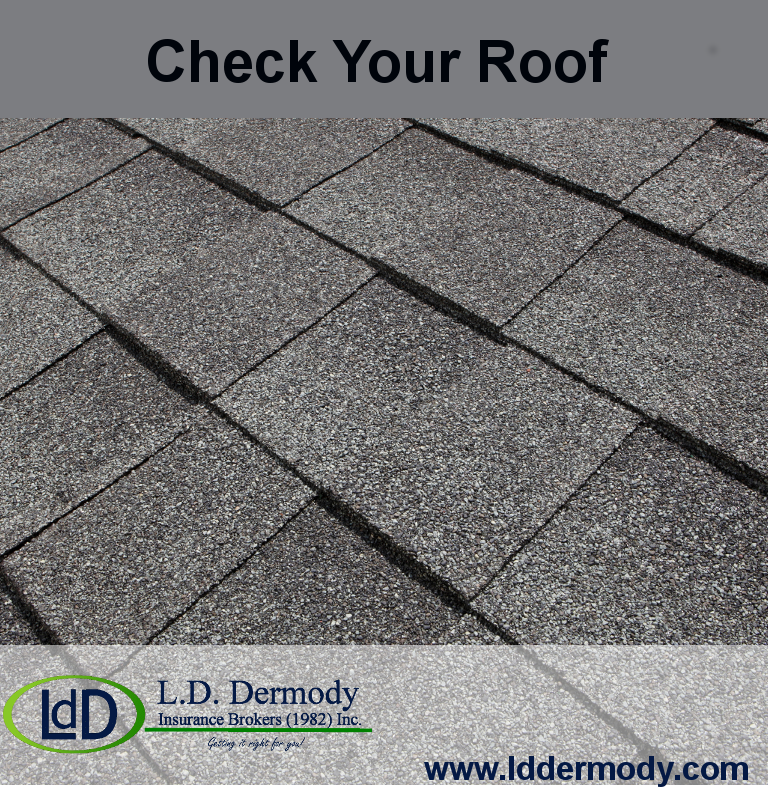
Your roof is one of the most important parts of your home. It protects your property from rain, snow, ice, wind and other weather conditions that Ontario homeowners experience throughout the year.
Unfortunately, roof problems often go unnoticed until water begins entering the home or a major storm causes damage.
Regular roof inspections and maintenance can help identify problems early, reduce the risk of expensive repairs and prevent damage that may not be covered by your home insurance policy.
At L.D. Dermody Insurance Brokers, we encourage homeowners to pay attention to the condition of their roofs and understand how roof maintenance can affect their insurance coverage.
How Often Should You Check Your Roof?
A good practice is to have your roof checked at least twice a year, particularly in the spring and fall.
Spring inspections can help identify damage caused by winter weather, while fall inspections provide an opportunity to address potential problems before snow and ice arrive.
You should also check for signs of damage following significant windstorms, hailstorms or other severe weather events.
You do not need to climb onto your roof to look for problems. Many warning signs can be identified safely from the ground or from inside your home.
For a more thorough assessment, consider hiring a qualified roofing contractor.
What Are the Warning Signs of Roof Damage?
There are several things homeowners should watch for.
Missing or Damaged Shingles
Look for shingles that are missing, cracked, curled, lifted or visibly deteriorating.
You may also notice pieces of shingles on the ground following a windstorm.
Excessive Granule Loss
Asphalt shingles contain protective granules that can gradually wear away.
Some granule loss is normal, particularly with newer shingles, but excessive granules collecting in your eavestroughs may indicate deterioration.
Damaged Flashing
Flashing helps prevent water from entering around chimneys, skylights, vents and other roof openings.
Loose, damaged or deteriorating flashing can create opportunities for water to enter your home.
Water Stains on Ceilings or Walls
Discolouration, peeling paint or damp areas on ceilings and upper walls may indicate a roof leak.
However, water stains can also result from plumbing problems, condensation or other causes.
Signs of Moisture in the Attic
Damp insulation, mould, staining or visible moisture in the attic may indicate a problem with the roof, ventilation or condensation.
Sagging or Uneven Roof Areas
A visibly sagging roof may indicate a structural problem and should be assessed promptly by a qualified professional.
Does Home Insurance Cover Roof Damage?
Home insurance generally provides protection against certain sudden and accidental events.
Depending on the policy, covered events may include:
-
Windstorms that tear shingles from the roof.
-
Hail that damages roofing materials.
-
Falling trees or branches that strike the roof.
-
Fire or other insured events that damage the structure.
However, home insurance is not intended to pay for normal maintenance or replace a roof simply because it has reached the end of its useful life.
Damage caused by gradual deterioration, wear and tear, or poor maintenance is generally excluded.
For example, if a windstorm suddenly removes shingles from an otherwise sound roof, the resulting damage may be covered.
If water enters because old shingles have deteriorated over many years, replacing those shingles would generally be considered a maintenance expense rather than an insured loss.
The cause of the damage and the wording of your policy are important in determining coverage.
What Happens if My Roof Leaks?
Not every roof leak is treated the same way by an insurance company.
If a storm damages your roof and rain enters through an opening created by that event, the resulting roof and interior damage may be covered.
However, if water enters through deteriorated shingles, worn flashing or a long-standing maintenance problem, the cost of repairing the roof itself is generally not covered.
In some circumstances, resulting interior water damage may still be covered, depending on the policy and the cause of the loss.
This distinction can be complicated.
If you discover a roof leak, contact your insurance broker or insurance company rather than assuming the damage is either covered or excluded.
Does the Age of My Roof Affect My Insurance?
Yes. Insurance companies often consider the age, condition and type of roofing materials when determining eligibility for coverage and calculating premiums.
For example, an asphalt shingle roof that is approaching the end of its expected service life may be viewed differently from a recently installed roof.
Depending on the insurance company, an older roof could result in:
-
A request for a roof inspection.
-
A requirement to complete repairs or replace the roof.
-
Changes to the available coverage.
-
A higher deductible for certain losses.
-
A different method of settling roof damage claims.
-
Restrictions on coverage or renewal eligibility.
There is no single roof age at which every Ontario insurance company requires replacement.
Roofing materials, installation quality, ventilation, weather exposure and maintenance can all affect how long a roof lasts.
Replacement Cost vs. Actual Cash Value: Why It Matters
Some homeowners are surprised to learn that their insurance policy may not pay the full cost of replacing an older roof following an insured loss.
The difference often comes down to whether the roof is insured on a replacement cost or actual cash value basis.
Replacement Cost
Where the policy provides replacement cost settlement and its conditions are satisfied, the insurer may pay the eligible cost of repairing or replacing damaged roofing materials with materials of similar kind and quality, subject to the deductible, limits and policy conditions.
Actual Cash Value
Actual cash value generally takes depreciation into consideration.
Depreciation reflects factors such as the age, condition and remaining useful life of the damaged property.
For example, suppose an insured windstorm damages a roof and the eligible replacement cost is $15,000.
If the roof is insured on an actual cash value basis, the insurance company may deduct depreciation from that amount.
The resulting settlement could be substantially less than the cost of installing a new roof.
The amount of depreciation and the method used to calculate it depend on the policy wording and the circumstances.
An actual cash value settlement may leave the homeowner responsible for a significant portion of the roof replacement cost.
It is important to understand which settlement provisions apply to your roof before a claim occurs.
What if the Insurance Company Pays a Cash Settlement?
Following a covered roof claim, an insurance company may offer a cash settlement rather than arranging repairs through a contractor.
Some homeowners assume that accepting the settlement means they can keep the money and decide whether to repair the roof.
However, there is an important distinction between settling a claim and satisfying the insurance company's ongoing underwriting requirements.
The claims department may settle the loss, but the underwriting department may still require confirmation that the roof has been properly repaired.
If the repairs are not completed, the insurance company may consider the property to have unrepaired damage.
This could affect future coverage, renewal eligibility or the handling of another claim involving the same damaged area.
Depending on the circumstances, the insurance company may request:
-
Photographs showing completed repairs.
-
A contractor's invoice.
-
A roofing inspection report.
-
Other documentation confirming the condition of the roof.
In some cases, the insurer may apply restrictions or exclusions until satisfactory evidence of repairs is provided.
If you accept a cash settlement for roof damage, ask what repairs and documentation your insurance company will require afterward.
Do not assume that closing the claim means there are no further obligations.
Can an Insurance Company Require Me to Replace My Roof?
Yes. An insurance company may require repairs, an inspection or replacement of an aging or deteriorating roof as a condition of continuing coverage.
Insurance companies assess the condition of insured properties because poorly maintained roofs can increase the likelihood of water damage and other claims.
If your insurer requests roof repairs or replacement, it is important to understand the deadline and what evidence must be provided once the work is completed.
Failure to satisfy the insurer's requirements could affect the availability of coverage or the renewal of your policy, subject to applicable rules and notice requirements.
How Can I Help Prevent Roof Damage?
Although severe weather cannot be prevented, homeowners can take several steps to reduce the risk of damage.
Keep Eavestroughs and Downspouts Clear
Blocked eavestroughs can cause water to accumulate and contribute to drainage problems or ice buildup.
Maintain Proper Attic Ventilation and Insulation
Poor ventilation and heat loss can contribute to ice damming during Ontario winters.
Trim Overhanging Tree Branches
Branches close to the roof can cause damage during storms or allow debris to accumulate.
Address Small Problems Promptly
Missing shingles, loose flashing and minor leaks should be investigated before they become more serious.
Arrange Professional Inspections
A qualified roofing contractor can identify problems that may not be visible from the ground.
Keep Records of Maintenance and Repairs
Retain invoices, inspection reports, photographs and information about when your roof was last replaced.
These records may be useful when discussing your property's condition with an insurance company.
What Should I Do if a Storm Damages My Roof?
If you suspect that wind, hail or another storm has damaged your roof, take the following steps.
-
Stay safe. Do not climb onto a damaged roof or enter areas where structural damage is suspected.
-
Document the damage. Take photographs from a safe location, including any fallen shingles, branches or visible interior damage.
-
Prevent further damage. Arrange reasonable emergency measures, such as temporary tarping by a qualified contractor, where necessary and safe.
-
Contact your insurance broker or insurance company. Report the damage promptly and ask about the claims process.
-
Keep receipts and records. Save invoices for emergency work and any inspection reports.
-
Discuss permanent repairs with the insurer. Before authorizing major work, confirm whether an adjuster needs to inspect the damage.
After a major weather event, be cautious of contractors who arrive unsolicited and pressure you to sign a contract immediately.
Take time to verify their qualifications, insurance and references.
Don't Wait Until Your Roof Leaks
A roof can appear to be in reasonable condition from the street while still having problems that could lead to costly damage.
Regular inspections and timely maintenance are important parts of protecting your home.
They can also help prevent situations where an insurance claim is complicated by deterioration, unrepaired damage or inadequate documentation.
At L.D. Dermody Insurance Brokers, we encourage our clients to contact us if they have questions about roof-related insurance coverage, replacement cost provisions or requirements imposed by their insurance company.
Remember: Home insurance is designed to protect against insured losses, not replace regular home maintenance.
Taking care of your roof today may help prevent a much larger problem tomorrow.
This article provides general information about roof maintenance and home insurance in Ontario as of October 2026. Coverage, exclusions, deductibles, depreciation provisions and underwriting requirements vary by insurance company and are subject to the terms and conditions of the applicable policy.