
Updated October 2026
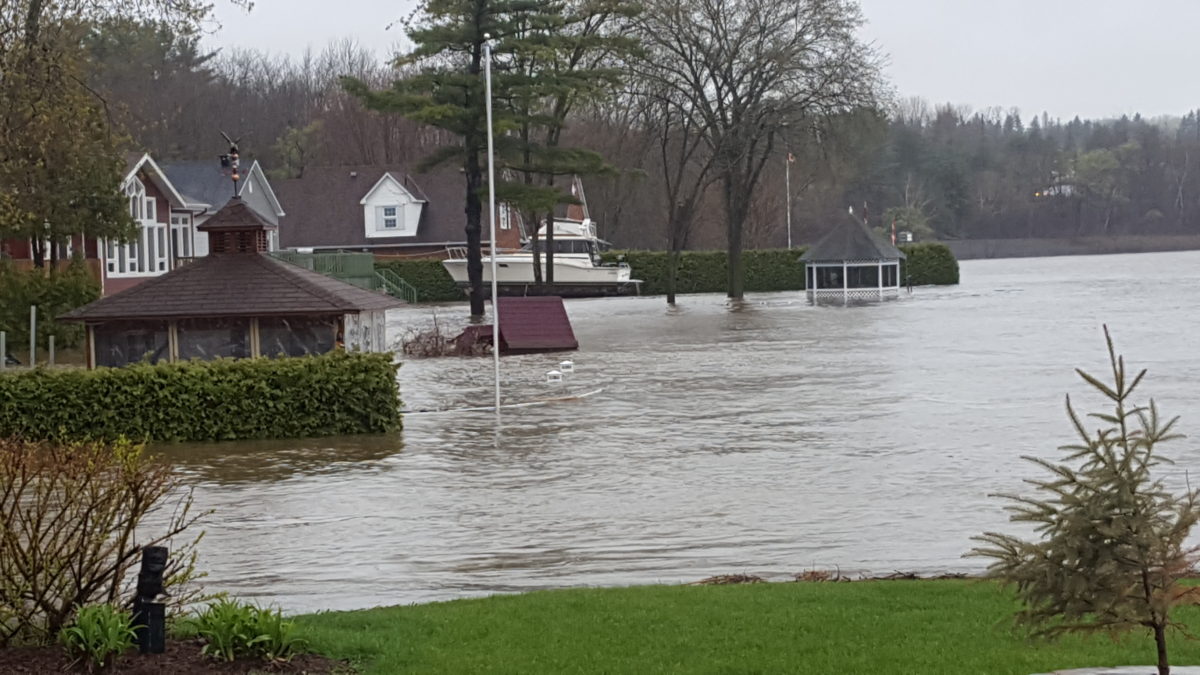
Flooding is one of the most significant natural hazards facing Ontario homeowners.
Whether caused by heavy rainfall, rapid snowmelt, overflowing rivers, rising lake levels or overwhelmed drainage systems, flooding can cause extensive property damage in a relatively short period of time.
Many homeowners associate flooding with properties located beside rivers or lakes. However, homes in established residential neighbourhoods can also experience serious water damage when storm drains become overwhelmed or water accumulates around foundations.
A home does not have to be located in a designated floodplain to experience flooding.
Unfortunately, many homeowners do not discover their property's vulnerabilities until water begins entering their basement.
At L.D. Dermody Insurance Brokers, we encourage Ontario homeowners to take steps to reduce their exposure to flooding before a severe weather event occurs.
Understanding local flood risks, maintaining your property and reviewing your insurance coverage can make a significant difference.
Here is what Ontario homeowners should know about preparing for flooding, protecting their property and recovering after a flood.
1. What Causes Flooding in Ontario?
Flooding can occur for several reasons, sometimes involving more than one factor.
Heavy Rainfall
Intense thunderstorms can release large amounts of rain over a short period.
When the ground cannot absorb the water quickly enough, runoff can accumulate on roads, lawns and other low-lying areas.
Municipal stormwater systems may also become overwhelmed.
Spring Snowmelt
Rapidly rising temperatures can cause accumulated snow to melt quickly.
If the ground is still frozen or saturated, the water may have nowhere to go.
Heavy rain occurring at the same time can make conditions worse.
Overflowing Rivers and Streams
Prolonged rainfall or snowmelt can cause rivers and streams to rise above their banks.
Properties located in flood-prone areas may be particularly vulnerable.
Rising Lake Levels
Homes and cottages along Ontario's lakes can experience flooding during periods of unusually high water levels.
Strong winds and waves may also contribute to shoreline flooding and erosion.
Ice Jams
During winter and spring, ice can accumulate in rivers and restrict the movement of water.
This can cause water levels to rise rapidly upstream of the blockage.
Urban Drainage Problems
Flooding can occur when storm drains, culverts and other drainage systems cannot accommodate the amount of water flowing through them.
Blocked drains and poorly maintained drainage systems can contribute to localized flooding.
Sewer Backup
During certain heavy rainfall events, sewer systems may become overloaded.
Water or sewage can then enter homes through floor drains, plumbing fixtures or other connections.
Although sewer backup is commonly associated with flooding, it is a separate exposure for insurance purposes.
2. Is Your Home at Risk of Flooding?
Some flood risks are obvious.
A home located beside a river, lake or creek may have a known history of flooding.
Other risks are less apparent.
For example, a house located at the bottom of a slope may experience water accumulation during heavy rainfall.
A property with poor grading may direct runoff toward the foundation rather than away from it.
Even a home that has never flooded before can experience water damage when rainfall exceeds the capacity of local drainage systems.
Homeowners should consider:
-
Whether the property is near a river, creek, lake or drainage channel.
-
Whether the neighbourhood has experienced previous flooding.
-
Whether water accumulates near the foundation during heavy rain.
-
Whether the basement has experienced seepage or dampness.
-
Whether the property has a sump pump.
-
Whether the home has experienced sewer backup.
-
Whether the municipality has identified local flood risks.
Your local conservation authority or municipality may have information about flood-prone areas and historical flooding.
However, a floodplain map does not necessarily identify every property that could experience water damage.
3. Who Issues Flood Warnings in Ontario?
Ontario has a coordinated flood forecasting and warning system.
Conservation authorities monitor conditions within their watersheds and work with provincial agencies and municipalities to identify potential flooding.
In areas without a conservation authority, the Ministry of Natural Resources provides flood forecasting and warning services.
Municipalities are responsible for local emergency response and communicating necessary protective actions to residents.
Homeowners should know where to find reliable flood information before an emergency occurs.
Useful sources include:
-
Your local conservation authority.
-
Your municipality's emergency management website.
-
Ontario's provincial flood information.
-
Environment and Climate Change Canada weather alerts.
-
Local emergency services.
Do not rely exclusively on social media posts or informal reports.
4. What Is the Difference Between a Flood Watch and a Flood Warning?
Ontario uses several types of flood messages.
Understanding the terminology can help homeowners respond appropriately.
Water Safety Statement
A water safety statement indicates that conditions such as high flows, unstable banks or melting ice may create hazards around waterways.
Flooding is not necessarily expected, but conditions may be dangerous.
Flood Outlook Statement
A flood outlook provides early notice that weather or watershed conditions could create a risk of flooding.
It may be issued when heavy rainfall, snowmelt or other conditions are expected.
Flood Watch
A flood watch means flooding is possible in specified areas.
Homeowners in vulnerable locations should monitor conditions and prepare to take protective action.
Flood Warning
A flood warning means flooding is imminent or already occurring in specified areas.
Residents should follow instructions from municipal officials and emergency services.
A flood warning should be taken seriously, even if your property has never flooded before.
5. What Can You Do to Reduce the Risk of Basement Flooding?
Not every flood can be prevented.
However, regular maintenance and certain property improvements can help reduce the likelihood or severity of water damage.
Maintain Proper Grading
The ground surrounding your home should generally slope away from the foundation.
Over time, soil can settle and create low areas where water collects.
If water regularly pools beside the foundation, consider having the grading assessed.
Clean Gutters and Downspouts
Leaves, debris and ice can prevent gutters from directing water away from the roof.
Overflowing gutters can deposit large amounts of water beside the foundation.
Keep gutters clear and make sure downspouts discharge water away from the building, in accordance with local requirements.
Inspect Foundation Walls
Cracks or deteriorated foundation materials may allow water to enter.
Have significant cracks, persistent seepage or structural concerns assessed by an appropriate professional.
Maintain Window Wells
Basement window wells should be properly drained and kept clear of debris.
Where appropriate, window well covers may help reduce the amount of rainwater entering the well.
Check Exterior Drains
Keep accessible drains, catch basins and drainage areas clear of leaves and other debris.
Do not enter flooded areas or attempt to clear drains where conditions are unsafe.
Review Landscaping
Patios, walkways, driveways and garden beds can affect how water flows around a property.
Changes to landscaping should not unintentionally direct runoff toward the foundation or neighbouring properties.
6. Why Is a Sump Pump Important?
Some homes have sump pumps designed to remove water that collects in a sump pit.
The pump discharges the water away from the home through an approved drainage arrangement.
A properly functioning sump pump can help reduce the risk of certain basement water problems.
However, sump pumps require maintenance.
Homeowners should:
-
Test the pump periodically according to the manufacturer's instructions.
-
Check that the discharge line is unobstructed.
-
Make sure water is directed to an appropriate location.
-
Inspect the sump pit for debris.
-
Consider a backup pump or battery backup system.
-
Arrange professional servicing when needed.
Power outages can occur during severe storms.
If your sump pump depends entirely on household electricity, it may stop operating when it is needed most.
A backup system can provide additional protection, although it does not guarantee that flooding will be prevented.
7. What Is a Backwater Valve?
A backwater valve is a plumbing device designed to help prevent sewage from flowing backward into a home through certain sewer connections.
When properly selected and installed, the valve allows wastewater to flow outward under normal conditions.
If sewage begins flowing backward, the valve closes to help prevent it from entering the building.
Backwater valves can be particularly valuable in areas with a history of sewer backup.
However, they have limitations.
A backwater valve does not prevent every type of water damage.
It will not stop a river from overflowing or prevent rainwater from entering through a basement window.
The device also requires proper installation and maintenance.
Homeowners should consult a qualified plumber and confirm any applicable municipal permit requirements.
Some Ontario municipalities offer financial assistance for eligible basement flood prevention improvements, including backwater valves.
Program availability, eligibility and reimbursement limits vary by municipality.
8. Should You Keep Valuable Items in the Basement?
Basements are often used for storage, recreation rooms, home offices and additional living space.
Unfortunately, they can also be vulnerable to water damage.
Where possible, avoid storing irreplaceable belongings directly on basement floors.
Consider keeping important documents, family photographs and valuable electronics in elevated or more secure locations.
Other precautions include:
-
Using shelving to raise stored items.
-
Keeping belongings in appropriate water-resistant containers.
-
Maintaining an inventory of valuable possessions.
-
Photographing expensive equipment and furnishings.
-
Keeping digital copies of important documents.
These precautions may not prevent damage during a severe flood, but they can reduce losses and simplify the claims process.
9. What Should You Do Before a Flood Is Expected?
If authorities issue a flood watch or warning affecting your area, pay close attention to official instructions.
Where there is sufficient time and it is safe to do so:
-
Move important documents and valuables to a higher level.
-
Move portable electronics and other vulnerable belongings away from anticipated floodwater.
-
Check that sump pumps are operating properly.
-
Secure outdoor objects that could be carried away by water.
-
Move vehicles to higher ground if it is safe and lawful to do so.
-
Charge mobile phones and emergency power banks.
-
Prepare medications and essential supplies.
-
Review evacuation routes.
-
Keep pets and their supplies ready.
-
Monitor municipal and conservation authority updates.
Do not wait until floodwater is approaching your home to begin preparing.
If authorities instruct residents to evacuate, follow those directions.
Property can be repaired or replaced. Personal safety must come first.
10. Should You Turn Off Electricity During a Flood?
Floodwater and electricity are a dangerous combination.
If flooding is imminent, some emergency guidance recommends disconnecting electrical power where it is safe to do so.
However, never enter standing water or approach electrical equipment that may already be wet or energized.
If the electrical panel cannot be reached safely, do not attempt to operate it.
Contact the appropriate utility or a qualified electrician for assistance.
Likewise, do not operate electrical appliances or equipment that have been exposed to floodwater until they have been assessed by qualified professionals.
Natural gas equipment and other utilities may also require professional inspection.
Follow instructions from emergency officials and utility providers.
11. Why Should You Never Drive Through Floodwater?
Flooded roads can be extremely dangerous.
It is often difficult to determine how deep the water is or whether the roadway beneath it has been damaged.
Floodwater may conceal:
-
Washed-out pavement.
-
Open maintenance holes.
-
Strong currents.
-
Debris.
-
Electrical hazards.
A vehicle can stall or become trapped.
Moving water can also carry vehicles away.
Never drive around barricades or road closure signs.
If you encounter a flooded roadway, turn around and use a safe alternative route.
Drivers should also avoid walking through moving floodwater, which may be deeper or faster than it appears.
12. What Should You Do Immediately After a Flood?
Returning to a flooded property can be overwhelming.
However, the first priority should always be safety.
Wait Until It Is Safe to Enter
Follow municipal and emergency service instructions.
Do not enter a building that may have structural damage, electrical hazards or contaminated floodwater.
Contact Your Insurance Broker or Insurer
Report the damage as soon as reasonably possible.
Your insurer can explain the claims process and provide instructions concerning emergency mitigation.
Photograph the Damage
Where safe, take photographs or video before beginning major cleanup.
Document affected rooms, water levels, damaged belongings and visible entry points.
Prevent Further Damage
Take reasonable steps to protect the property from additional damage when it is safe to do so.
Examples may include arranging emergency water extraction or protecting exposed openings.
Discuss significant expenses with your insurer where practical.
Keep Receipts
Retain invoices and receipts for emergency work, temporary accommodation, supplies and repairs.
Some expenses may be eligible under the policy, while others may not.
Avoid Premature Disposal
Do not discard major damaged items before documenting them.
Follow the insurer's instructions about retaining samples, photographs or other evidence.
13. Why Is Floodwater Potentially Hazardous?
Floodwater may contain sewage, chemicals, bacteria and other contaminants.
Even water that appears relatively clean may be unsafe.
Contaminated water can create health risks during cleanup.
Flooding can also damage building materials and create conditions that allow mould to develop.
Homeowners should avoid direct contact with contaminated water and obtain appropriate professional assistance when necessary.
Particular care is needed when dealing with:
-
Sewage-contaminated water.
-
Wet electrical systems.
-
Saturated insulation.
-
Damaged drywall.
-
Contaminated heating and cooling equipment.
-
Standing water in enclosed spaces.
-
Structural damage.
A qualified restoration contractor can help determine appropriate drying, cleaning and removal procedures.
14. Why Is Prompt Water Removal Important?
Water damage can worsen when moisture remains trapped inside a building.
Even after visible water is removed, moisture may remain in walls, floors, insulation and other materials.
This can contribute to deterioration and mould growth.
Professional restoration contractors may use specialized equipment to assess moisture levels and dry affected areas.
However, homeowners should not undertake unsafe cleanup work simply to reduce the size of an insurance claim.
Contact the insurer promptly, document the conditions and follow appropriate safety guidance.
If the flood affects many properties in the same community, restoration contractors may be in high demand.
There may be delays before professional assistance becomes available.
15. Does Home Insurance Cover Flood Damage in Ontario?
The answer depends on how the water entered the home and the coverage purchased.
There is no single insurance coverage that automatically protects against every type of flooding.
For example, insurers may distinguish between:
Overland Water
Water entering the home from the surface of the ground, potentially following heavy rainfall, snowmelt or overflowing freshwater sources.
Overland water coverage may be available through an optional endorsement or enhanced policy package.
Availability and terms vary by insurer and property.
Sewer Backup
Water or sewage entering through drains, toilets or other sewer connections.
Sewer backup coverage is commonly available as an optional endorsement, but limits and exclusions vary.
Groundwater or Seepage
Water entering through foundation walls, floors or below-ground openings.
Coverage for groundwater and seepage can be particularly restrictive and depends on the policy wording.
Sump Pump Failure
Some policies provide coverage for certain losses involving sump pump failure, while others impose specific requirements or exclusions.
Sudden Plumbing Damage
Damage caused by a sudden and accidental escape of water from plumbing may be treated differently from floodwater entering from outside.
The source of the water is often central to determining whether a claim is covered.
Homeowners should review their policies before a loss occurs rather than assuming that all water damage is insured.
16. What About Flood Insurance Deductibles and Limits?
Even when a policy includes water damage coverage, special conditions may apply.
For example, an insurer may establish:
-
A separate water damage deductible.
-
A maximum amount payable for certain water losses.
-
Different limits for overland water and sewer backup.
-
Restrictions based on the property's flood exposure.
-
Exclusions for particular causes of damage.
Some insurers combine certain water coverages, while others offer separate endorsements.
A homeowner may have a policy with a substantial overall dwelling limit but a lower limit for a specific type of water damage.
This is why it is important to review the actual coverage rather than relying only on the policy's total insured value.
17. Will Insurance Pay for Temporary Accommodation?
Some homeowners policies include additional living expense coverage.
This may help pay certain necessary increases in living expenses if a covered loss makes the home unfit for occupancy.
For example, eligible expenses may include temporary accommodation and certain additional meal costs.
However, the coverage generally depends on the loss being insured and the conditions of the policy being satisfied.
There may also be monetary limits and restrictions on the period of coverage.
A home that becomes uninhabitable because of an excluded flood may not qualify for additional living expense benefits under the ordinary policy provisions.
Contact your insurer before committing to substantial accommodation expenses whenever practical.
18. What if an Entire Neighbourhood Is Flooded?
A major flood can affect hundreds or thousands of properties at the same time.
When this happens, insurance companies and restoration contractors may experience a sudden increase in claims.
Insurers may need to redeploy staff, bring in additional adjusters or engage outside service providers.
Contractors may face shortages of equipment, materials and available workers.
As a result, homeowners may experience delays involving:
-
Initial inspections.
-
Water extraction and drying.
-
Damage assessments.
-
Repair estimates.
-
Contractor availability.
-
Building materials.
-
Reconstruction.
The length of the recovery process depends on the extent of the damage and the availability of resources.
Maintain regular communication with your insurer and keep records of conversations, estimates and expenses.
If you must arrange emergency work, ask about documentation and authorization requirements.
19. Is Government Financial Assistance Available After a Flood?
Ontario has a program called Disaster Recovery Assistance for Ontarians (DRAO).
This program may provide financial assistance following certain natural disasters.
However, homeowners should understand that the program is not automatically available after every flood.
The province must activate the program for a defined geographic area.
Eligibility and payment restrictions apply.
The program is designed primarily to help with certain essential losses and expenses where insurance is unavailable or insufficient under the program's rules.
It is not intended to replace comprehensive insurance protection.
For eligible homeowners, assistance generally relates to their primary residence and essential contents.
Cottages and other secondary residences are not eligible under the homeowner category.
There are also limits, deductibles and restrictions on the amounts that may be reimbursed.
In particular, sewer backup losses are generally not eligible except under specified provisions for qualifying low-income households.
Homeowners should never assume that government disaster assistance will reimburse all uninsured flood damage.
For current information, visit the Ontario government's Disaster Recovery Assistance for Ontarians webpage.
20. Can You Apply for Disaster Assistance if You Have Insurance?
Possibly, depending on the circumstances.
The DRAO program requires applicants to disclose insurance coverage and payments.
Where a homeowner has insurance, the program generally requires documentation explaining what the insurer will cover and what remains uninsured.
The program does not provide duplicate payment for losses covered by insurance.
It also does not necessarily cover every expense that an insurer declines.
Eligibility depends on the program's rules, the nature of the loss and whether the affected area has been included in an activation.
Homeowners should first report the loss to their insurer and then review the provincial program requirements if assistance has been activated for their area.
21. Can Flooding Affect Your Home Insurance in the Future?
Flood exposure can influence insurance availability, pricing and coverage options.
Insurers consider a variety of factors when assessing property risks.
These may include:
-
The property's location.
-
Proximity to rivers, lakes and other watercourses.
-
Flood mapping and modelling.
-
Previous water damage claims.
-
Local drainage conditions.
-
Building characteristics.
-
Available loss prevention measures.
A homeowner who experiences a flood may find that coverage options change at renewal.
For example, an insurer may revise water damage deductibles, impose coverage restrictions or change its underwriting requirements.
Not every flood claim results in these changes, and practices vary between insurers.
If you have experienced water damage, discuss your renewal options with your broker.
22. What Improvements Should You Consider After a Flood?
Once the immediate damage has been addressed, consider whether changes could reduce the risk of future losses.
Possible improvements include:
Better Exterior Drainage
Correct grading problems and direct water away from the foundation.
Sump Pump Improvements
Consider backup power, a secondary pump or improved monitoring where appropriate.
Backwater Valve Installation
Ask a qualified plumber whether a backwater valve is suitable for your home's plumbing system.
Foundation Repairs
Address identified cracks, waterproofing deficiencies or other water entry points.
Basement Renovation Choices
Consider materials and construction methods appropriate for areas vulnerable to moisture.
Relocating Vulnerable Equipment
Where practical, consider whether important equipment and valuable belongings can be placed above anticipated flood levels.
Municipal Flood Prevention Programs
Check whether your municipality offers rebates or financial assistance for eligible flood prevention work.
Before undertaking major improvements, obtain appropriate professional advice and any required permits.
23. A Flood Preparedness Checklist for Ontario Homeowners
Use this checklist before the next severe weather event.
Around Your Property
-
Inspect grading around the foundation.
-
Clean gutters and downspouts.
-
Check window wells and exterior drains.
-
Look for foundation cracks or evidence of seepage.
-
Confirm that water drains away from the building.
Inside Your Home
-
Test your sump pump.
-
Check any backup pump or battery system.
-
Have backwater valves inspected and maintained as recommended.
-
Keep valuables off vulnerable basement floors.
-
Maintain photographs or an inventory of important belongings.
Emergency Preparedness
-
Know where to find local flood warnings.
-
Prepare an emergency kit.
-
Review evacuation routes.
-
Keep important documents accessible.
-
Plan for pets and household members who may need assistance.
Insurance
-
Confirm whether your policy includes overland water coverage.
-
Review sewer backup coverage.
-
Ask about groundwater and sump pump-related losses.
-
Check applicable limits and deductibles.
-
Review additional living expense coverage.
-
Ask whether any flood-related exclusions apply to your property.
Taking these steps before a flood occurs can help reduce damage and uncertainty.
Flood Preparedness Begins Before the Water Rises
Flooding can affect Ontario homeowners in communities of every size.
A property does not need to be beside a river or lake to experience serious water damage.
Heavy rainfall, spring snowmelt and overwhelmed drainage systems can create problems even in neighbourhoods that have never experienced major flooding.
While no homeowner can eliminate every flood risk, regular maintenance, appropriate property improvements and an emergency plan can make a meaningful difference.
Insurance is another important part of preparing for the unexpected.
However, water damage coverage is complex, and not every type of flooding is automatically insured.
At L.D. Dermody Insurance Brokers, we encourage homeowners to review their policies and understand the protection available before a loss occurs.
If you have questions about overland water coverage, sewer backup insurance or the protection available under your homeowners policy, contact L.D. Dermody Insurance Brokers.
We would be pleased to help you review your coverage and discuss the options available through the insurance companies we represent.
This article provides general information for Ontario homeowners as of October 2026. Flood prevention measures cannot eliminate all risks. Insurance coverage, limits, deductibles, exclusions and eligibility vary by insurer and policy. Government assistance programs are subject to activation, eligibility requirements and program rules. Always follow instructions from emergency officials and qualified professionals.