
Updated October 2026
Ontario has four distinct seasons, and many recreational vehicles are only used for a portion of the year.
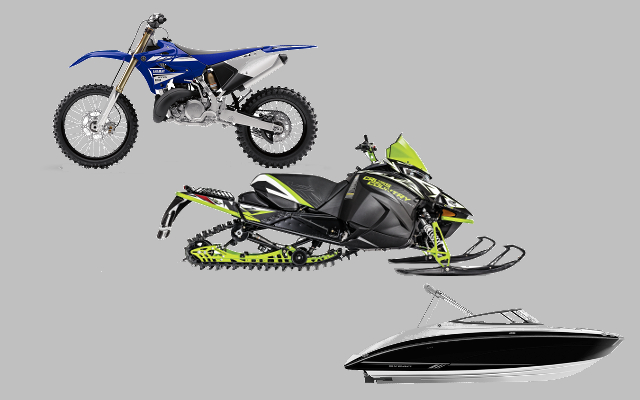
Motorcycles are generally enjoyed during the warmer months, snowmobiles during the winter, and classic cars may only be driven on pleasant summer days.
ATVs, recreational trailers and other seasonal vehicles may also spend extended periods in storage.
When the season ends, many owners ask the same question:
Can I cancel my insurance or reduce my coverage while my vehicle is not being used?
The answer depends on the type of vehicle, the insurance company, the policy and how the vehicle is insured.
Before making changes, it is important to understand how seasonal insurance works and what protection you may be giving up.
At L.D. Dermody Insurance Brokers, we encourage clients to review their coverage before putting a vehicle into storage or returning it to use.
1. What Is a Seasonal Vehicle?
A seasonal vehicle is generally one that is used primarily during a particular time of year.
Examples include:
-
Motorcycles.
-
Snowmobiles.
-
All-terrain vehicles (ATVs).
-
Classic and collector cars.
-
Recreational vehicles.
-
Certain trailers and other recreational equipment.
Some vehicles are used almost exclusively during one season, while others may be used throughout the year depending on weather and conditions.
The important distinction is that insurance companies do not necessarily treat all seasonal vehicles in the same way.
Different vehicles may have different rating systems, policy forms, eligibility requirements and cancellation provisions.
2. Why Seasonal Insurance Premiums Can Be Misunderstood
Many people assume that insurance premiums are divided equally over 12 months.
For some types of insurance, this may be a reasonable way to think about the annual cost.
However, certain seasonal vehicles are rated differently.
For example, a motorcycle insurance company may recognize that most motorcycle riding in Ontario takes place during the warmer months.
As a result, a substantial portion of the annual premium may be associated with the months when motorcycles are most likely to be used.
This is sometimes referred to as seasonal rating.
The exact rating method varies by insurer and policy.
Why Does This Matter?
Suppose you insure a motorcycle for the year and decide to cancel the policy at the end of September.
You might expect to receive a refund representing the remaining three months of the policy term.
However, if the insurer uses a seasonal rating approach, much of the annual premium may already have been earned during the main riding season.
The refund could be much smaller than expected.
Depending on the insurer's cancellation rules, additional adjustments may also apply.
Before cancelling seasonal vehicle insurance, ask your broker how the insurer calculates the return premium.
3. Should You Cancel Motorcycle Insurance for the Winter?
Not necessarily.
Many motorcycle owners put their bikes away when temperatures drop.
However, cancelling the insurance policy may not be the best approach.
There are several reasons.
Seasonal Rating
As discussed above, cancelling after the main riding season may result in little premium being returned.
Protection While Stored
A motorcycle can still be damaged or stolen while it is not being ridden.
Coverage Gaps
Cancelling a policy creates a break in insurance coverage. Depending on the insurer, this may affect future insurance arrangements or eligibility.
Financing Requirements
If the motorcycle is financed, the lender may require certain insurance coverages to remain in place.
Some insurers offer options for reducing coverage while a motorcycle is stored, while others may not.
The availability and financial benefit of these changes depend on the policy.
Rather than automatically cancelling, ask your broker to review the options.
4. What Insurance Protects a Vehicle While It Is Stored?
A vehicle that is parked in a garage or storage building can still suffer damage.
Possible losses include:
-
Fire.
-
Theft.
-
Vandalism.
-
Windstorm.
-
Hail.
-
Falling objects.
-
Certain other insured events.
Comprehensive coverage, sometimes called Other Than Collision or Upset coverage under applicable automobile insurance arrangements, may provide protection against certain non-collision losses.
However, the specific perils insured depend on the policy.
For example, comprehensive coverage generally does not pay for ordinary wear and tear, mechanical breakdown or gradual deterioration.
It also should not be assumed to cover every type of water damage or storage-related loss.
When reducing coverage for a stored vehicle, confirm which protections remain in effect.
5. What Is Storage Coverage?
People often use the term storage coverage to describe insurance arrangements for a vehicle that will not be driven.
However, storage coverage is not necessarily a standardized insurance product.
Depending on the insurer and type of vehicle, it may involve:
-
Removing certain road-use coverages.
-
Retaining comprehensive coverage.
-
Applying an approved suspension endorsement.
-
Changing the policy to a storage-only arrangement.
-
Maintaining the existing policy without changes.
The options vary considerably.
Some arrangements may suspend or restrict liability and accident benefits protection while the vehicle is not in use.
Others may have specific conditions concerning where and how the vehicle is stored.
Do not assume that a vehicle placed on storage coverage can be driven, even for a short trip.
Before using it again, contact your broker and obtain confirmation that the required coverage has been restored.
6. What About Snowmobile Insurance?
Snowmobiles present different insurance considerations from motorcycles.
In Ontario, snowmobile insurance requirements depend on where and how the snowmobile is operated, including applicable statutory exceptions.
Snowmobiles generally require automobile liability insurance when operated in circumstances covered by Ontario's motorized snow vehicle legislation.
Owners should verify the requirements for their intended use rather than assuming that riding on private property, trails or other locations is always treated the same way.
Should You Cancel Snowmobile Insurance in the Spring?
As with motorcycles, the answer depends on the insurer.
Some snowmobile policies may reflect the seasonal nature of snowmobile use.
Cancelling after the main winter season may therefore provide a smaller refund than expected.
There is also the question of protection while the snowmobile is stored.
A snowmobile can be stolen, damaged by fire or affected by other insured losses even during the summer.
Before cancelling, ask about the premium calculation and the coverage that would remain available.
7. What About ATV Insurance?
ATVs and other off-road vehicles are popular throughout Ontario.
Some are used recreationally, while others are used for farming, property maintenance or business activities.
Insurance requirements depend on the vehicle, where it is operated and the applicable legislation.
For example, Ontario's Off-Road Vehicles Act establishes insurance requirements for certain off-road vehicle operations, subject to statutory exceptions.
Owners should not assume that insurance is unnecessary simply because an ATV is not being operated on a public highway.
Does Home Insurance Cover an ATV?
Do not assume that a homeowners policy provides adequate coverage for an ATV.
Motorized recreational vehicles are often subject to exclusions or restrictions under property insurance policies.
Separate insurance may be required to protect against liability, theft, physical damage and other exposures.
If an ATV is used for business or agricultural purposes, the insurer should be advised because the use may affect the coverage required.
8. Classic and Collector Cars
Classic and collector vehicles are another category of seasonal vehicle.
Many owners drive these vehicles only during the summer or for occasional shows and events.
Specialized collector vehicle insurance may be available, depending on the vehicle and how it is used.
Such policies can have eligibility conditions involving:
-
Annual kilometres.
-
Vehicle storage.
-
Regular-use vehicles in the household.
-
Permitted uses.
-
Driver qualifications.
-
Vehicle condition.
-
Modifications.
Some policies may provide agreed value coverage, while others use different valuation methods.
The distinction is important because the amount payable following a total loss depends on the policy's settlement provisions.
What if You Take the Vehicle Out During the Winter?
Some collector vehicle policies restrict how and when the vehicle may be used.
Owners should understand these restrictions before driving.
Do not assume that occasional winter use is permitted simply because the policy remains in force throughout the year.
9. Recreational Vehicles and Trailers
Motorhomes, travel trailers and other recreational vehicles may also be used seasonally.
However, their insurance arrangements can differ.
A motorhome that is licensed for road use may require automobile insurance.
A travel trailer may be insured under a separate recreational vehicle policy or through other arrangements, depending on the insurer.
Important considerations include:
-
Liability while the unit is being used.
-
Physical damage coverage.
-
Personal belongings inside the unit.
-
Storage location.
-
Seasonal site arrangements.
-
Whether the unit is rented to others.
-
Whether it is used as a permanent or seasonal residence.
If a trailer remains at a campground throughout the year, the insurance requirements may differ from those for a trailer that is regularly towed.
Tell your broker how the vehicle or trailer is actually used.
10. What if Your Seasonal Vehicle Is Financed or Leased?
If you are financing or leasing a seasonal vehicle, your agreement may require certain insurance coverages to remain in place.
For example, a lender may require physical damage insurance to protect its financial interest in the vehicle.
Cancelling coverage or removing collision and comprehensive protection without checking the financing agreement could create problems.
Even if an insurer permits a coverage reduction, the lender may not.
Before changing the insurance on a financed or leased vehicle, review the agreement and discuss the requirements with your broker.
11. Where You Store Your Vehicle Matters
The storage location can affect the risk of loss.
For example, a motorcycle stored in a locked residential garage may have a different exposure from one kept in an open parking area.
Similarly, a snowmobile stored at a seasonal property may present different risks from one stored at the owner's principal residence.
Insurance companies may ask questions about:
-
The storage address.
-
Whether the vehicle is kept indoors or outdoors.
-
Security measures.
-
Whether the building is heated.
-
Whether the vehicle is stored at a commercial facility.
-
Whether the vehicle remains accessible for use.
If you move a seasonal vehicle to a different storage location, advise your broker.
The insurer may need to review or update the policy.
12. Does Your Home Insurance Cover a Vehicle Stored in Your Garage?
This is another common misunderstanding.
A homeowner may assume that because a motorcycle, snowmobile or ATV is stored inside an insured garage, the homeowners policy will cover it if the garage burns down.
However, home insurance policies generally contain restrictions or exclusions relating to motorized vehicles.
The building itself may be insured under the homeowners policy, but the vehicle inside it may require its own insurance.
For example, a fire could damage both the garage and the motorcycle stored inside.
The garage damage and the motorcycle damage may fall under different insurance policies.
Do not assume that one policy covers both.
13. What Happens if You Remove Collision Coverage?
Collision or upset coverage generally addresses certain damage to an insured vehicle resulting from a collision or upset, subject to policy terms.
If this coverage is removed, you may no longer have protection for those types of losses.
For example, if a stored vehicle is accidentally damaged while being moved, coverage may depend on the circumstances and which coverages remain in force.
The same applies if the vehicle is involved in an accident after road-use coverage has been suspended.
Before reducing coverage, ask your broker to explain exactly what protection will be lost.
A lower premium is not necessarily worthwhile if it creates an exposure you are uncomfortable accepting.
14. Can You Drive a Vehicle That Has Been Placed on Storage Coverage?
Do not drive a vehicle that has had required road-use insurance suspended or removed.
Before returning it to the road, contact your insurance broker.
The broker may need to:
-
Restore the necessary coverages.
-
Remove a suspension endorsement.
-
Confirm the vehicle's intended use.
-
Update the storage or garaging address.
-
Obtain insurer approval where required.
-
Confirm when the changes take effect.
Do not assume that coverage is restored automatically when the weather improves.
You should receive confirmation that the appropriate insurance is in effect before operating the vehicle.
15. When Should You Contact Your Broker?
It is a good idea to contact your broker whenever there is a significant change in how a seasonal vehicle is used or stored.
Examples include:
-
Putting a motorcycle away for the winter.
-
Returning a motorcycle to the road in spring.
-
Storing a snowmobile for the summer.
-
Purchasing or selling an ATV.
-
Moving a vehicle to another storage location.
-
Changing the use of a recreational vehicle.
-
Renting out a trailer or recreational vehicle.
-
Making significant modifications.
-
Changing the principal operator.
-
Paying off a vehicle loan.
-
Taking a collector vehicle on an extended trip.
Not every change will affect the premium, but some may affect coverage or eligibility.
For more information, see our article When Things Change, Let Your Insurance Broker Know.
16. How Can You Protect a Seasonal Vehicle While It Is Stored?
Insurance is only one part of protecting a seasonal vehicle.
Proper storage and maintenance can help reduce the likelihood of damage.
Consider these precautions:
Choose a secure location. Whenever possible, store the vehicle in a locked building or other secure area.
Use appropriate security measures. Locks, alarms and other theft deterrents may help reduce the risk of theft.
Follow manufacturer recommendations. Proper fuel, battery and mechanical preparation can help prevent storage-related problems.
Check for water exposure. Avoid locations where flooding, roof leaks or other water damage may occur.
Protect against rodents. Rodents can damage wiring, upholstery and other vehicle components.
Inspect the vehicle periodically. Where practical, check for leaks, damage or signs of unauthorized access.
Maintain appropriate insurance. Confirm that the coverage remaining in force reflects the risks you want to insure.
Remember that insurance generally is not intended to cover routine maintenance, deterioration or mechanical problems resulting from improper storage.
17. Questions to Ask Before Cancelling or Reducing Coverage
Before making changes to seasonal vehicle insurance, ask your broker:
-
Is my policy seasonally rated?
-
How much premium would actually be refunded if I cancelled?
-
Can I reduce coverage instead of cancelling?
-
Would the vehicle still be insured against theft, fire and other specified losses?
-
What coverage would be suspended or removed?
-
Are there restrictions on where the vehicle can be stored?
-
Would cancelling affect future insurance eligibility or pricing?
-
Does my financing or leasing agreement require coverage to remain in place?
-
What must I do before using the vehicle again?
-
When would any requested change become effective?
The answers may be different for a motorcycle, snowmobile, ATV, classic car or recreational vehicle.
The Best Time to Review Seasonal Vehicle Insurance
Seasonal vehicles provide enjoyment throughout the year, but their insurance needs can change depending on how and when they are used.
Cancelling coverage during the off-season may seem like an easy way to save money.
However, seasonal rating, cancellation provisions, storage exposures and financing requirements can make the decision more complicated than expected.
In some cases, keeping the policy in force may be the better option.
In others, reducing certain coverages while the vehicle is stored may be appropriate.
The important thing is to understand the financial consequences and the protection you may be giving up before making changes.
At L.D. Dermody Insurance Brokers, we can help Ontario vehicle owners review the insurance options available through the companies we represent.
Whether you own a motorcycle, snowmobile, ATV, classic car or recreational vehicle, we encourage you to contact us before cancelling coverage, changing how the vehicle is insured or returning it to use.
If you have questions about your seasonal vehicle insurance, contact L.D. Dermody Insurance Brokers. We would be pleased to help you review your coverage options.
This article provides general insurance information for Ontario vehicle owners as of October 2026. Insurance requirements, seasonal rating, cancellation provisions, coverage availability, eligibility, limits, conditions and exclusions vary by vehicle type, insurer and policy. Confirm applicable legal requirements and coverage arrangements before operating or storing a vehicle.
|
Snowmobile |
|
|
Month |
Earned Premium |
|
November |
10% |
|
December |
25% |
|
January |
25% |
|
February |
25% |
|
March |
15% |
|
Motorcycle |
|
|
Month |
Earned Premium |
|
March |
5% |
|
April |
10% |
|
May |
10% |
|
June |
20% |
|
July |
20% |
|
August |
20% |
|
September |
10% |
|
October |
5% |
Here are some things to keep in mind:
- Beware of the timing of coverage and the seasonal use. For the first time in adding a seasonal vehicle to an existing policy you may be faced with the cost of the majority of the premium for the season, and then faced with the cost all over again if that policy renews shortly after the season.
- Ask the insurance company about how their seasonal polices work. They vary from company to company.
- Always advise your insurance provider of coverage changes well in advance.